2026 AGENDA OPEN FOR WORK





Student Engagement Strategy
Strategy & Analysis | for Dalhousie University

The Problem
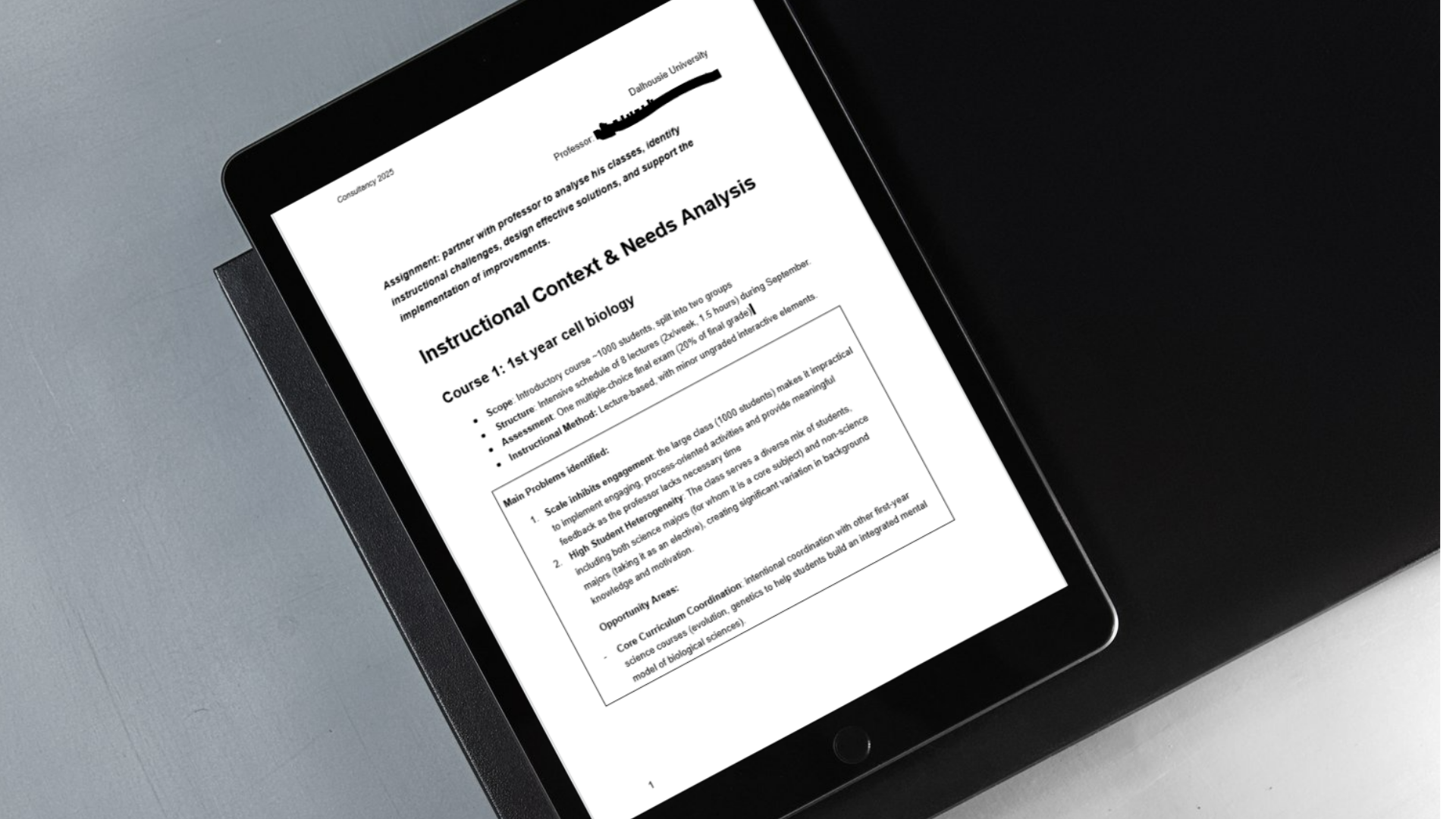
Biology faculty faced significant challenges in delivering two undergraduate courses with very large enrolments (approximately 1,000 and 300 students). Limited student participation, difficulties in accurately assessing learning outcomes, and the scale of the classes reduced both engagement and practical application of course content. In addition, the courses were not well aligned with related laboratories and complementary subjects, limiting students’ ability to apply knowledge and further develop transdisciplinary skills. The need and opportunity for improvement were substantial.
I collaborated closely with the professor to analyse student engagement data, assessment requirements, existing resources, and course materials, as well as the position of each course within the broader Bachelor of Science curriculum. Based on this analysis, I identified key challenges and proposed targeted solutions. Following discussion and refinement, we developed a prototype of the redesigned approach and conducted a simulation to evaluate its effectiveness.
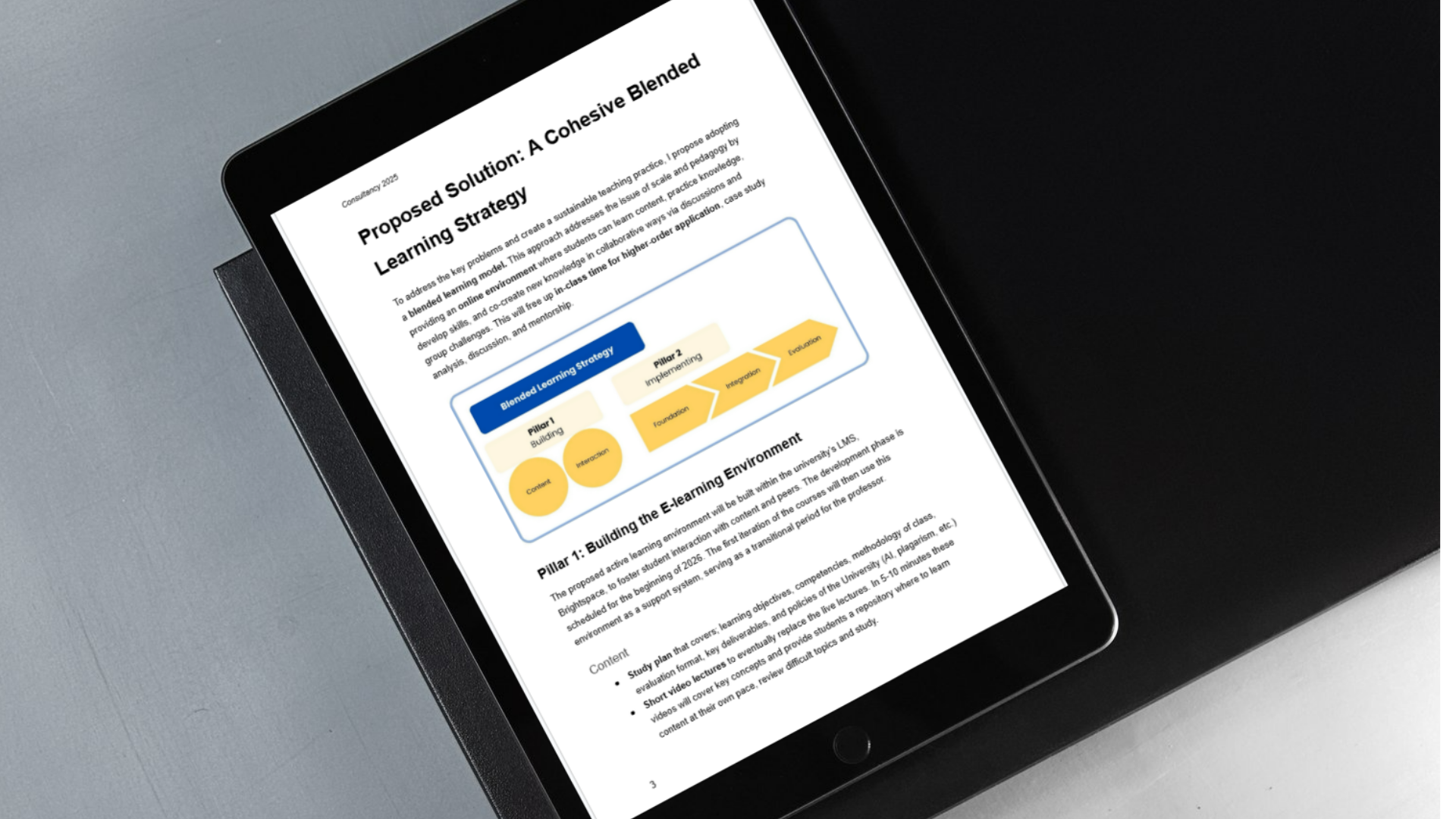
The strategic solution involved redesigning the courses into a flipped classroom model. Core content traditionally delivered through lectures was moved to self-paced, at-home learning, while class time and online sessions were dedicated to collaborative activities, discussions, and case study analysis. Assessment was redesigned to be continuous and formative, and learning objectives were adjusted to better align with related courses, supporting stronger knowledge transfer and skill development.
The Process
The Learning Solution
How does it look?
From process to outcome



The prototype and simulation generated valuable insights for faculty. Professors reported increased clarity around student engagement challenges, assessment limitations, and opportunities for curriculum alignment. The process highlighted clear pathways for improving participation, evaluation practices, and integration with related courses, providing a strong, evidence-informed foundation for future implementation and continuous improvement.


Results